
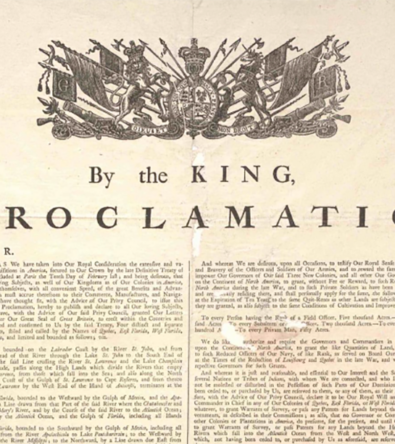
The Proclamation of 1763: Drawing a Line Across an Empire
Royal Proclamation of 1763, issued by King George III, October 7, 1763. Library and Archives Canada, e010778430. Public domain. When the French and Indian War ended in 1763, Great Britain emerged...
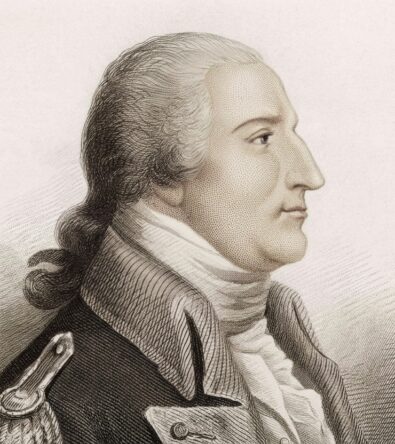
Why Did Benedict Arnold Betray America?
Historians offer up many explanations, including that the Revolutionary War general may have had some self-esteem issues as a child and young man. Benedict Arnold was once a patriotic war hero valued...
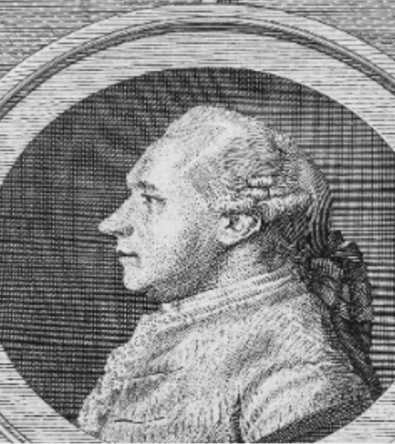
Remembering Silas Deane, Founding Father
As we celebrate the 250th anniversary of the Declaration of Independence, we also celebrate the courage shown by our Founding Fathers in taking the giant step of declaring our country’s...
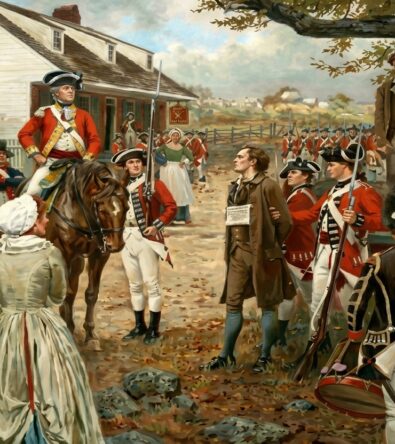
September 22, 1776: Nathan Hale is Hanged by the British as an American Spy
There are many iconic moments in the history of the American Revolution that Americans tend to remember: Paul Revere’s ride, Washington crossing the Delaware, and so on. One such iconic moment we...
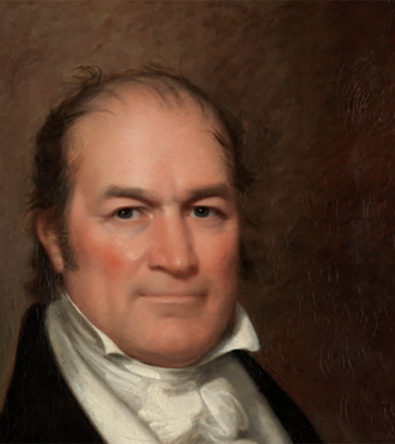
Remembering William Crawford, Secretary of the Treasury, and Three-Time Failed Candidate for President of the United States
The presidency of Thomas Jefferson was the start of the two-party system in America, and during the next two decades, it was “no holds barred.” Under Jefferson’s successor, President James...
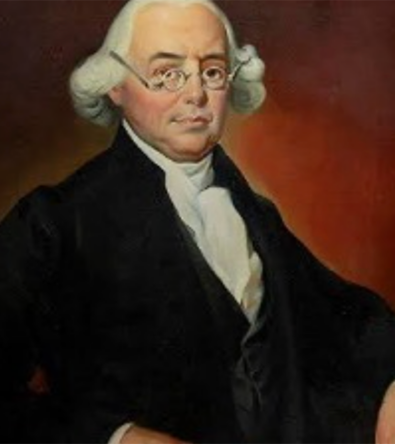
Remembering James Wilson, the Brilliant, Restless Mind Behind “We the People”
If you ask most Americans who were the most important “Founding Fathers,” chances are that only a tiny fraction will name the man who at the time was considered perhaps the most important of...
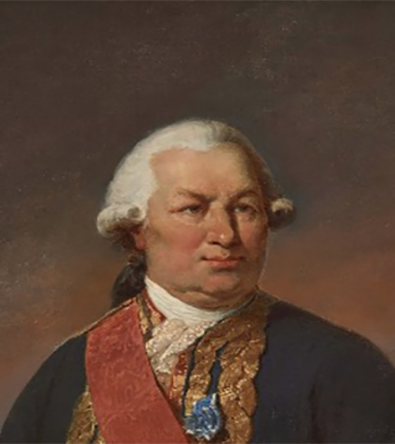
Remembering Admiral Francois Joseph Paul de Grasse: Hero of the American Revolution
We’ve written about the famous “Battle of the Chesapeake” that took place on September 5, 1781, in which a French fleet defeated a smaller British fleet in a fierce sea battle that took place...
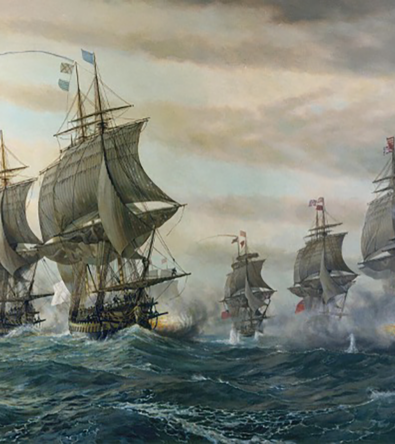
September 5, 1781: The French Navy Defeats the British Navy in the Battle of the Chesapeake, Setting Up the American Victory at Yorktown
Most Americans know that the battle that effectively ended the American Revolution was the Battle of Yorktown, pitting British General Cornwallis against General George Washington and his French...
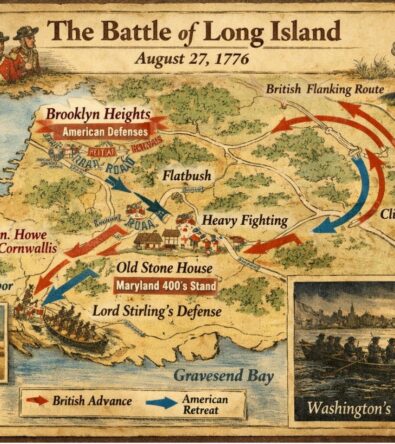
Battle of Long Island
Just two months after the United States declared independence from Great Britain on July 4, 1776, America’s military forces were badly beaten by British troops in the Battle of Long Island,...
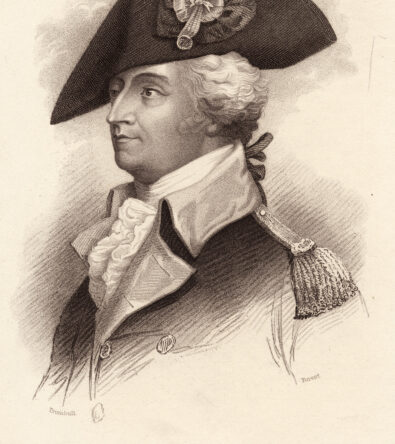
August 20: 1794: The Battle of Fallen Timbers Spells the End of the “Native Confederacy” at the Hands of General “Mad” Anthony Wayne
The morning of August 20, 1794 broke humid and gray over the Maumee River, in present-day Indiana and Ohio. A storm had torn through the forest through which the American Legion under the command...