
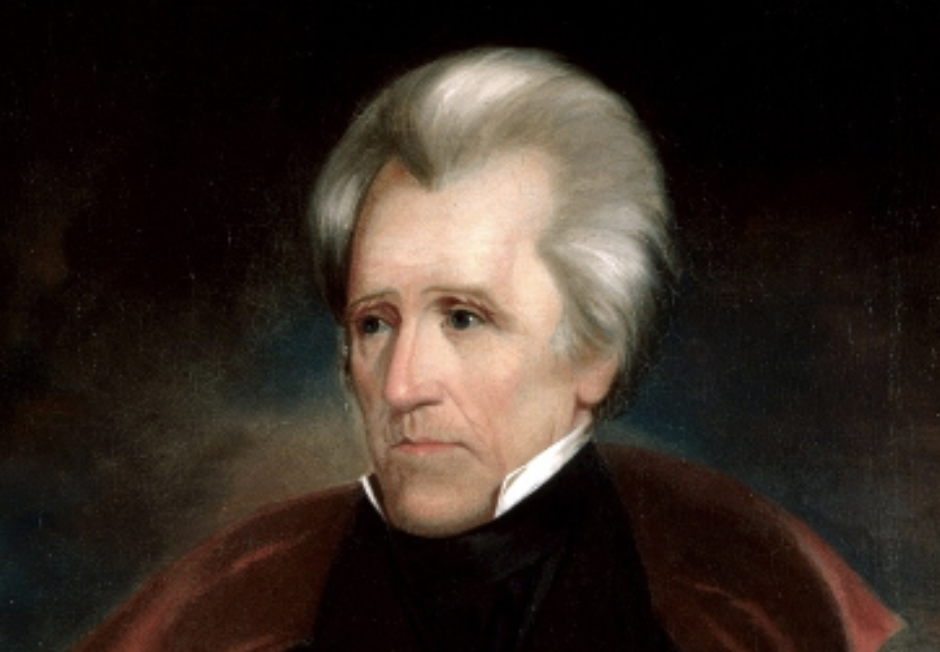
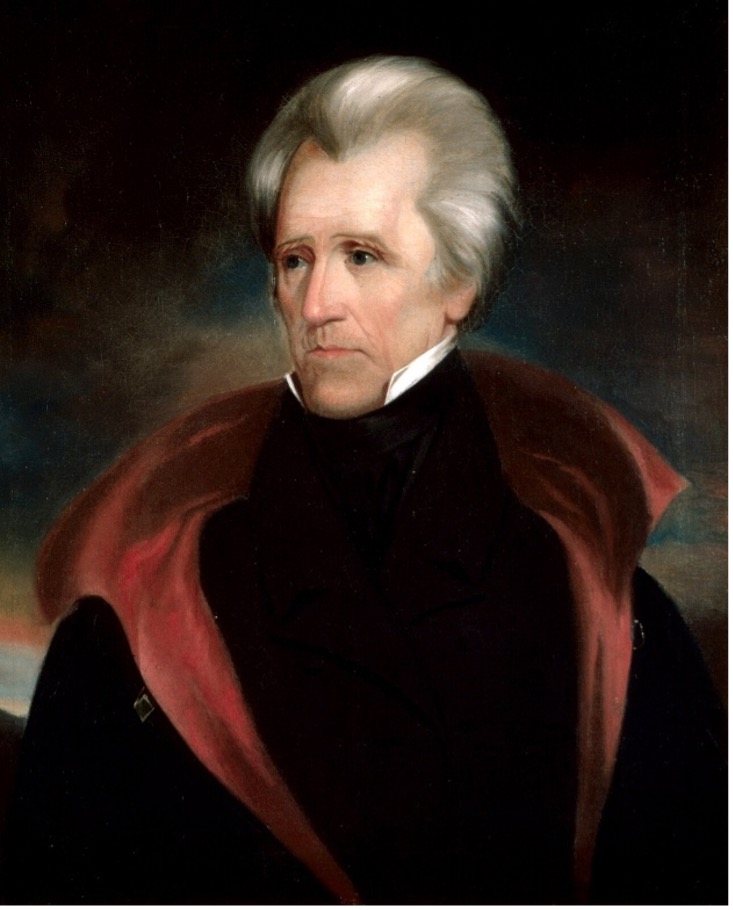
June 8th marked the 181st anniversary of the death of Andrew Jackson, the seventh president of the United States who served from 1829 to 1837. Born in the Waxhaws region along the border of North and South Carolina, Jackson grew up during the American Revolution and was orphaned at a young age. He later became a lawyer, planter, and military leader, gaining national fame for his victory over the British at the Battle of New Orleans during the War of 1812. His reputation as a war hero helped propel him into national politics. He briefly served in the U.S. House of Representatives and the U.S. Senate, representing Tennessee. After resigning, he served as a justice on the Tennessee Superior Court from 1798 to 1804. He purchased a plantation later known as the Hermitage, becoming a wealthy planter who profited off the forced labor of hundreds of enslaved African Americans during his lifetime.
Jackson’s presidency marked a significant shift in American democracy by expanding political participation for many white male citizens. He portrayed himself as a champion of the “common man” and opposed what he viewed as the excessive influence of wealthy elites. One of the most notable events of his administration was the Bank War, in which he fought against the rechartering of the Second Bank of the United States. His leadership style was strong and often controversial, earning him both devoted supporters and fierce critics.
Despite his popularity, Jackson’s legacy remains deeply debated. His administration supported the Indian Removal Act of 1830, which led to the forced relocation of thousands of Native Americans from their ancestral lands. This policy resulted in immense suffering and deaths during the event known as the Trail of Tears. Today, historians recognize Jackson as one of the most influential and controversial figures in American history, remembered for both his impact on democratic politics and the lasting consequences of his policies. He did on June 8, 1845.