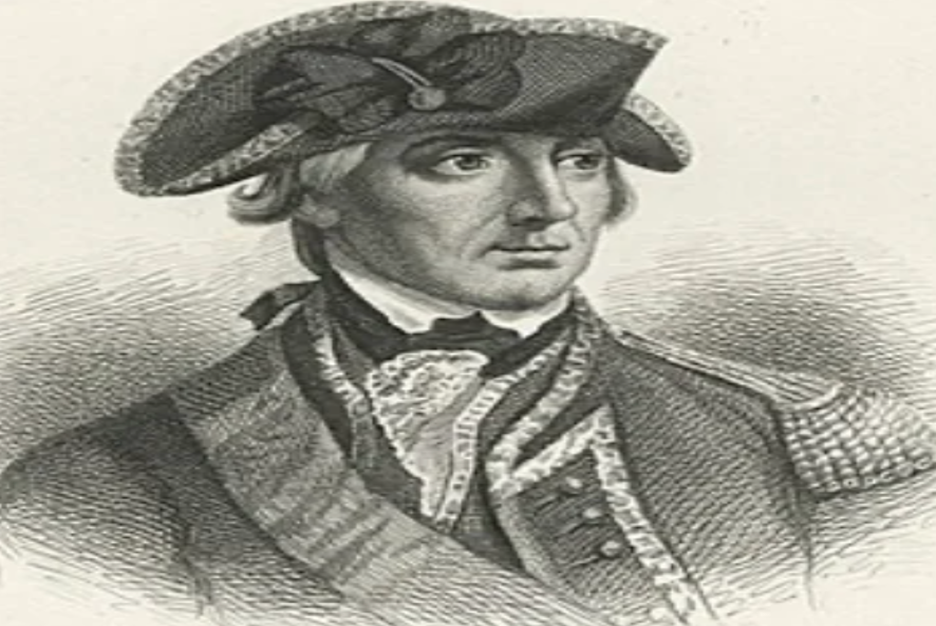
On this day in 1814, William Howe, one of the most accomplished British military figures, died. He was a British general who was sent to America in March of 1775and played a major role during the American Revolutionary War. Born in 1729, Howe came from a military family and built his reputation through service in the British Army. Although he was an experienced and capable officer, his leadership has been debated by historians because of several strategic decisions that influenced the course of the conflict.
During the war, Howe led British troops in several important battles. He captured New York City in 1776 after defeating the Continental Army under George Washington. The following year, Howe captured Philadelphia, which was then the American capital. However, instead of helping another British army moving south from Canada, Howe chose to focus on Philadelphia. This decision contributed to the British defeat in the Saratoga campaign, a major turning point that encouraged France to join the war in support of the American colonies.
William Howe resigned as commander in 1778 and returned to Britain, where he continued his military and political career. While he achieved several battlefield victories, he was unable to end the rebellion or secure lasting British control over the colonies. Today, historians remember Howe as a skilled military leader whose cautious approach and strategic choices had a significant impact on the outcome of the American Revolution. His legacy remains an important part of the study of the war and British military history.