When the transcontinental telegraph was completed on October 24, 1861, it did more than replace the Pony Express — it reshaped how a nation communicated. For nonprofits today, its story offers a powerful example of how bold infrastructure, collaboration, and vision can transform communities.
Before the telegraph, communication between the East Coast and California could take weeks or months, even with the Pony Express cutting that time dramatically. The telegraph changed everything. With a single electric signal traveling across thousands of miles of wire, messages that once required riders, horses, and relay stations could now be sent in minutes. It was the 19th‑century equivalent of moving from postal mail to email overnight.
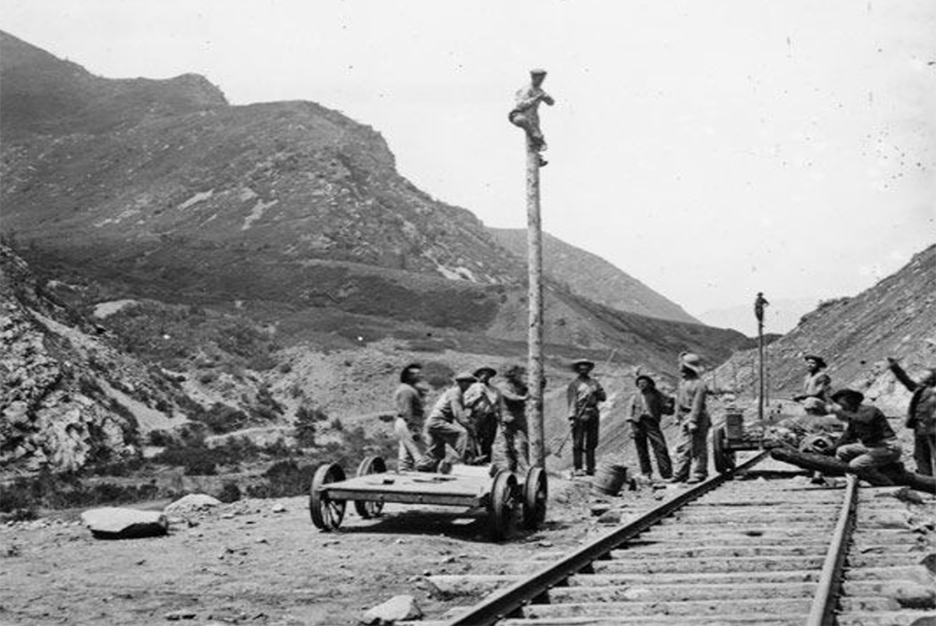
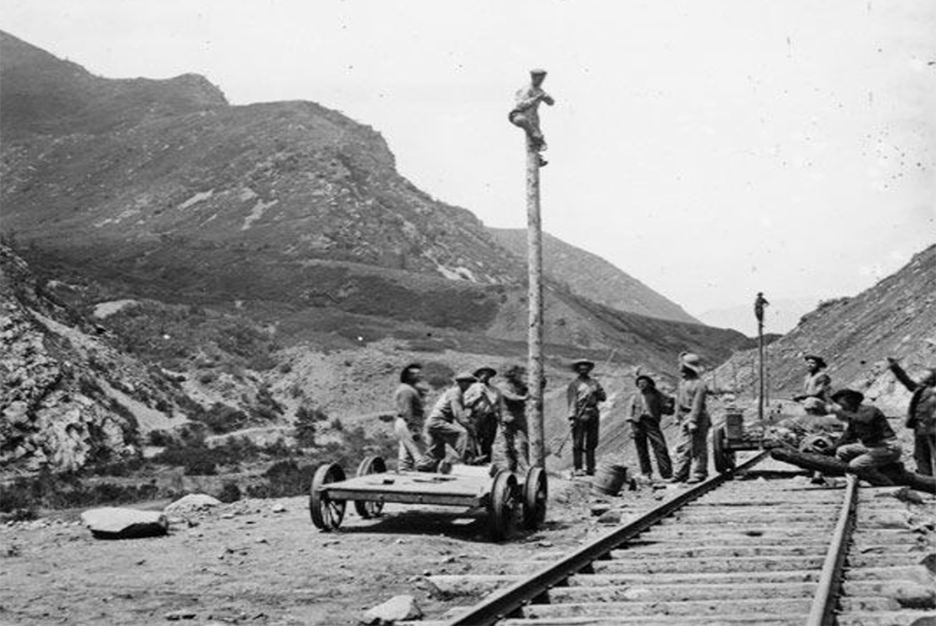
The project itself was a feat of coordination. Western Union oversaw construction, sending one crew west from Omaha and another east from California. They met in Salt Lake City, completing a line that crossed plains, deserts, and mountain ranges. Workers hauled poles across treeless stretches, strung wire through harsh weather, and built a communication network that many believed impossible.
The first official transcontinental telegram — sent by California Chief Justice Stephen J. Field to President Abraham Lincoln — celebrated the new line as a force for unity during the Civil War. And unity was exactly what it delivered: a faster, more reliable way to share information, coordinate decisions, and keep a growing nation connected.
For nonprofits, the telegraph’s legacy is more than technological. It’s a reminder that investing in connection—whether through communication tools, community partnerships, or shared mission—can create lasting impact. The telegraph succeeded because people believed in a future where distance didn’t have to divide. Many nonprofits work toward that same vision today.