Until the year 1861, Americans had never seen photographs of their own country at war, or seen with their own eyes real-life images of the death and destruction when two armies engage in combat. The American Civil War was our citizens’ first photographic exposure to the reality of warfare on American soil. The photographs they saw were shocking.
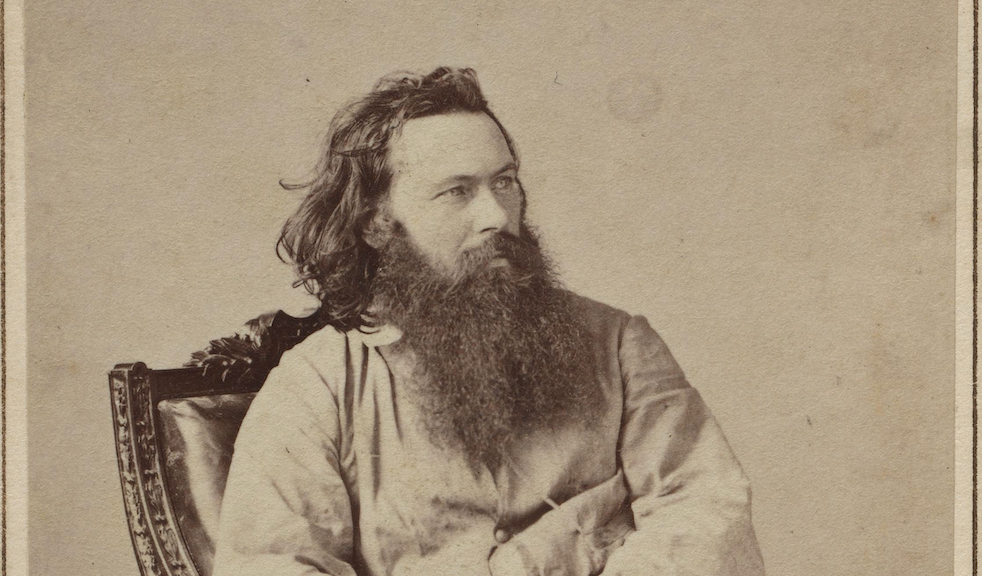
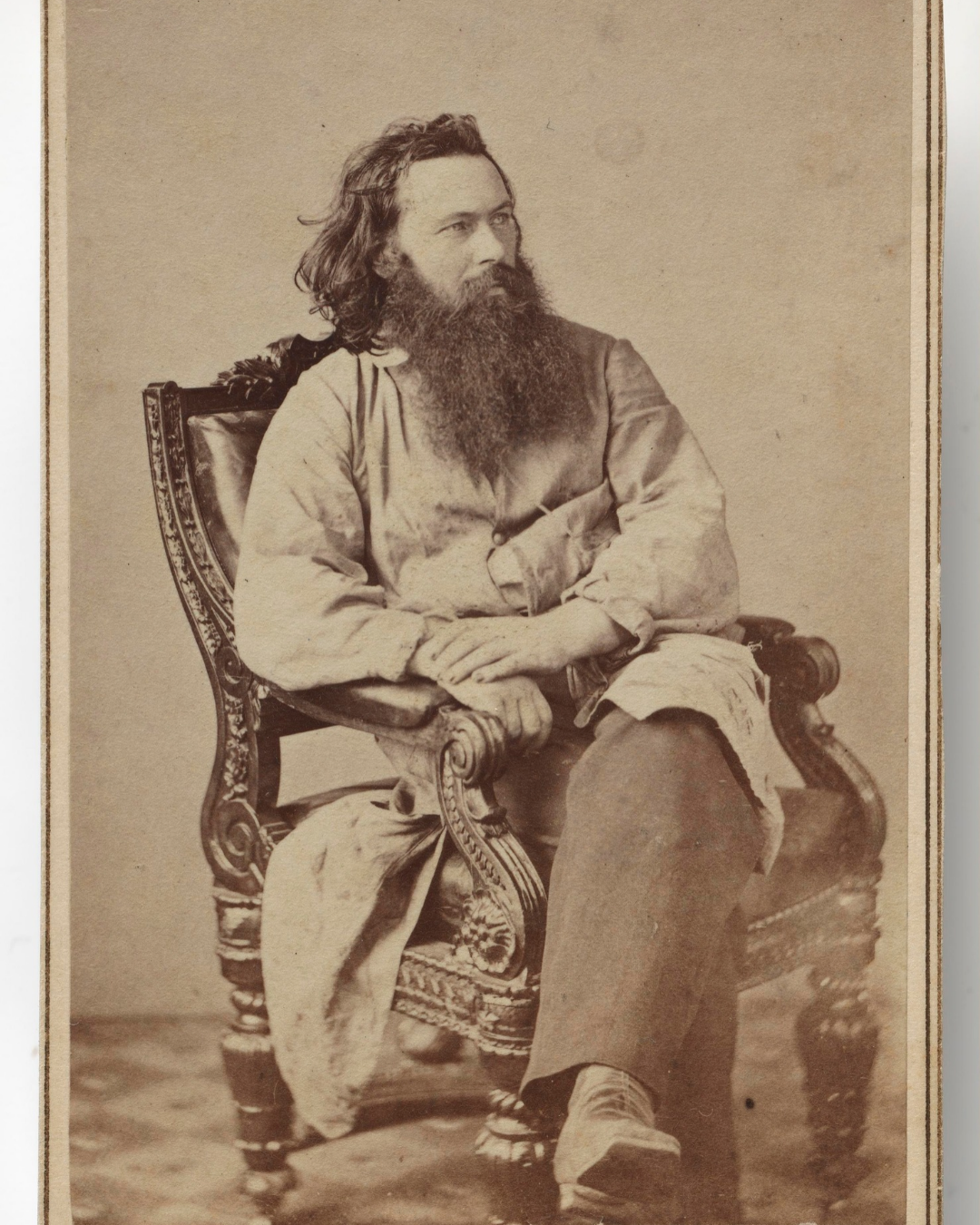
One photographer on the battlefields of the Civil War was Alexander Gardner, who was born on this day, October 17, 1821. His story is compelling, and his photographs of the bloody conflict have gone down in history as perhaps the greatest images of the Civil War ever taken.
The arc of Gardner’s life story is unusual. He was born in Renfrewshire, Scotland, and did not emigrate to America until he was 35 years old. Before that, he engaged in the business of selling jewelry and later became the owner of a leading newspaper, the Glasgow Sentinel. He also took courses in astronomy, physics, and chemistry at the Glasgow Athenaeum.
Up until the year 1856, when he finally came to America, nothing in his life story suggested that he would become one of the greatest photographers of the 19th century. But while working for his newspaper in Scotland, he had seen photographs taken by the well-known American photographer Mathew Brady, and he was hooked.
From Scotland to Washington
When Gardner arrived in the U.S., he contacted Brady almost immediately, and Brady took Gardner on as an apprentice. Gardner learned the art of photography fairly quickly. By 1858, Brady had made Gardner the head of his photography gallery in the nation’s capital—just two years before Abraham Lincoln was elected President of the United States, and three years before the Civil War erupted.
With Brady’s connections in Washington, D.C., Gardner was given leave to follow the Union Army into battle and take photographs of what he saw. At first, he served as chief photographer of the U.S. Topographical Engineers, but that position quickly morphed into serving as the Army of the Potomac’s photographer, under the command of General George McClellan. Fortuitously, perhaps, McClellan also had Scottish ancestry on his father’s side. Gardner’s career was launched.
Bringing the Battlefield Home
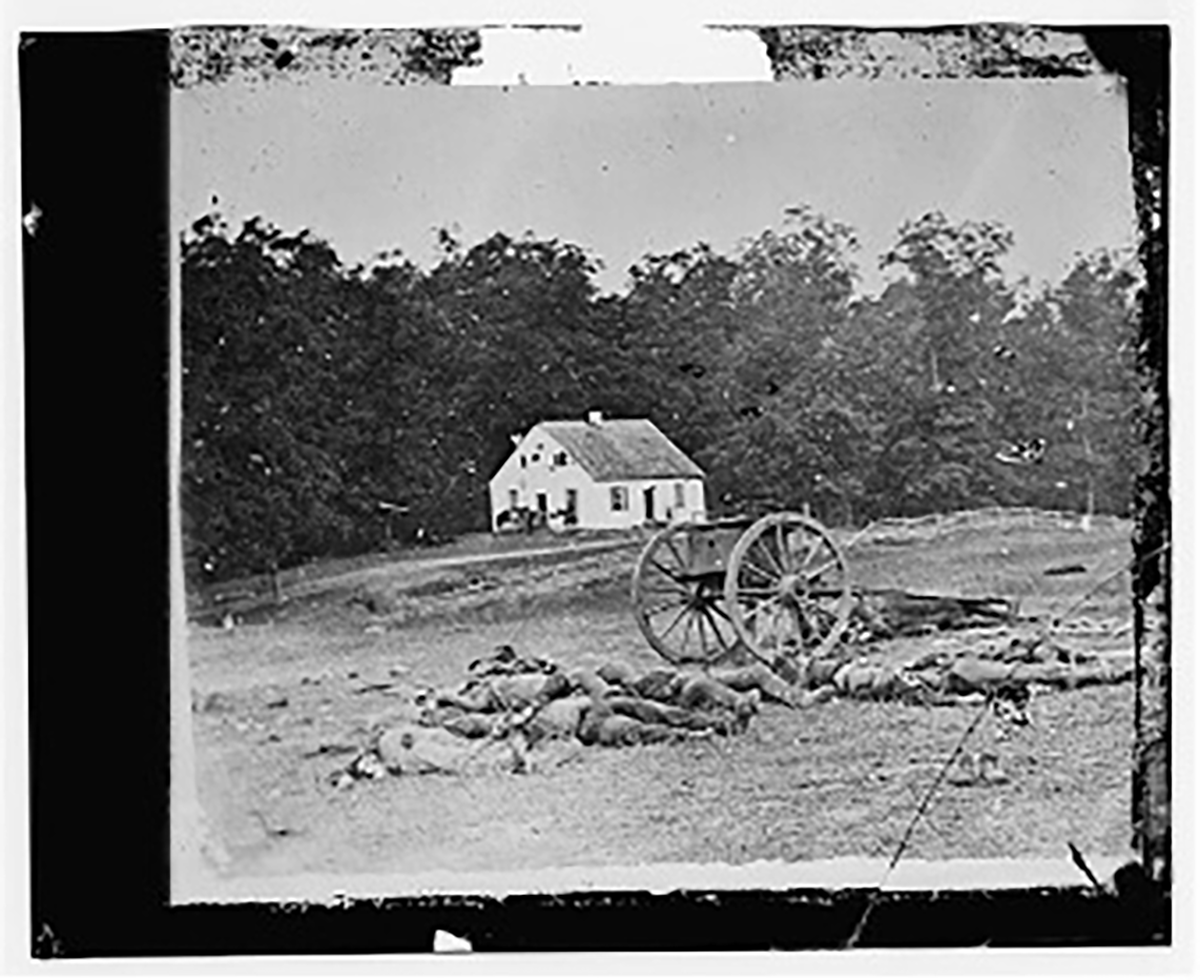
Gardner’s first major battlefield photographs were taken at the Battle of Antietam in September 1862, followed just three months later by the Battle of Fredericksburg—two of the most lethal battles in the entire Civil War. The following year, in July 1863, he was at the Battle of Gettysburg and witnessed the Union Army’s victory there—at the cost of over 20,000 casualties suffered by each of the armies. His photos of these three battles, and other disturbing images he captured with his camera, captivated the nation.
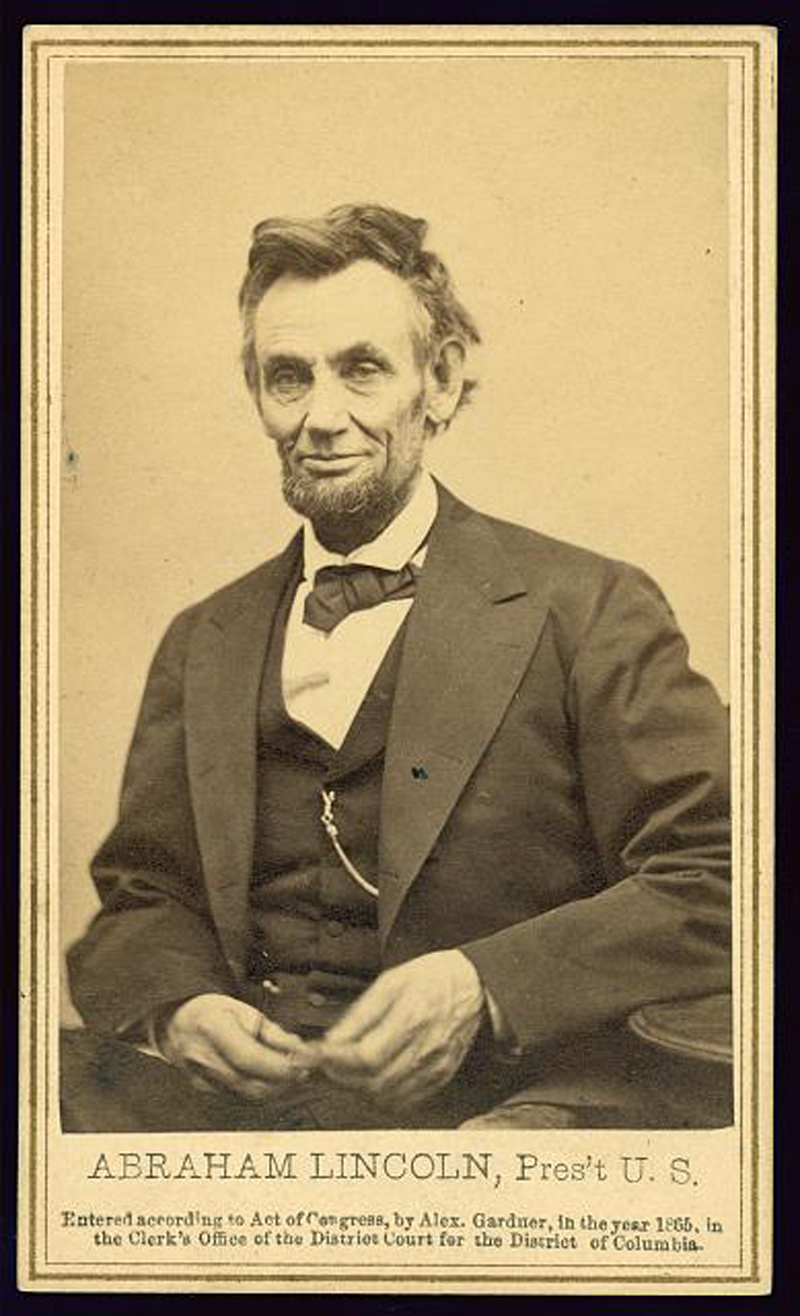
By the end of 1863, Gardner had opened his own studio, where he exhibited his Civil War photographs. He took a number of photos of Abraham Lincoln as well, and when Lincoln was assassinated, Gardner photographed the aftermath of the assassination, including photos of the hanging of John Wilkes Booth’s co-conspirators. He also published a two-volume collection of Civil War photos, which included photos taken by others (but not Mathew Brady!).
A Lasting Legacy
The arc of Gardner’s life story took another turn in 1871, when he decided to change careers and give up his photography business. While it’s not clear what he was thinking, he chose a completely different path—he decided to go into the insurance business, and that was his profession for the rest of his life.
He lived another decade and continued to reside in Washington, D.C., where he died on December 10, 1882. He was survived by his wife Margaret, his son Lawrence, and his daughter Eliza. Eliza lived a long life, dying in Washington, D.C., at the age of 80.
There are no known monuments to Gardner, but it would be fair to say that his iconic photos of the Civil War were truly monumental. And so we honor him today on the anniversary of his birth in Scotland on October 17, 1821, 205 years ago. From humble beginnings, he achieved greatness.
Images
- Cover: James Gardner, Alexander Gardner, 1863. National Portrait Gallery, Smithsonian Institution, gift of Larry J. West, NPG.2007.62. CC0
- Alexander Gardner, Antietam, Maryland. Bodies in Front of the Dunker Church, September 1862. Library of Congress, Prints and Photographs Division, LC-DIG-cwpb-01099
- Alexander Gardner, Abraham Lincoln, Pres’t U.S., February 5, 1865. Library of Congress, Prints and Photographs Division, LC-DIG-ppmsca-19215