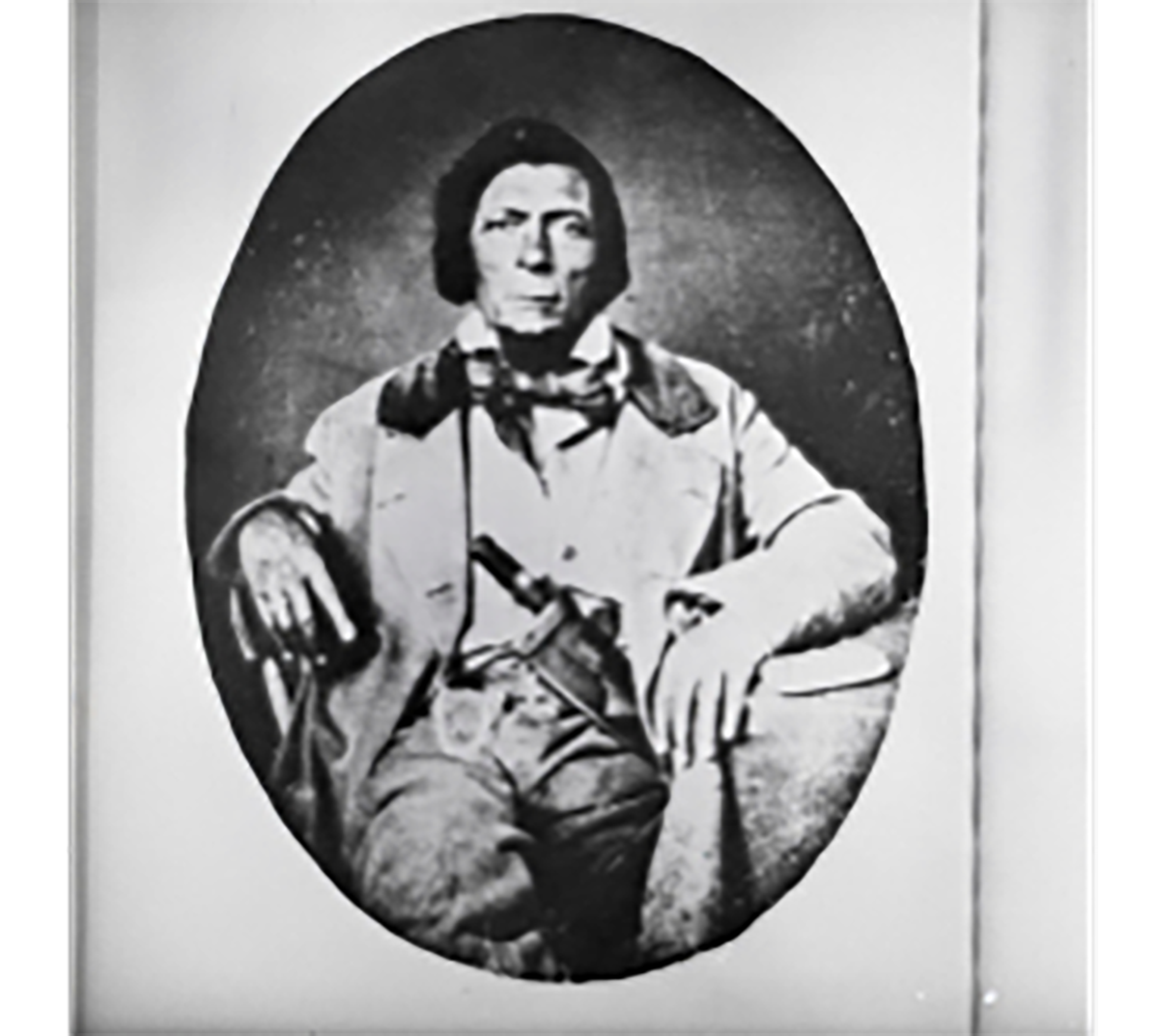
Few figures in the history of the American West lived a life quite like Jim Beckwourth. Born into slavery around 1800, Beckwourth eventually became a fur trapper, trader, scout, trailblazer, and one of the most recognizable Black frontiersmen of the 19th century.
His adventures became the subject of a bestselling autobiography, although historians have spent generations separating the documented facts of his life from the tall tales he told about himself. More than 150 years after his death, his name remains on the landscape of the West.
From Slavery to the Fur Trade
James Pierson Beckwourth was born around 1800 in Virginia to a white father and an enslaved mother. As a child, he moved with his family to the St. Louis area, then an important gateway to the expanding American fur trade. He received some schooling and was apprenticed as a blacksmith, but the opportunities offered by the western frontier proved more appealing. His father arranged for his emancipation, and in the 1820s Beckwourth joined the growing ranks of men heading into the Rocky Mountains in search of beaver pelts.
The fur trade brought him into contact with a remarkable variety of people, including French-speaking traders, American trappers, and Native nations whose knowledge of the country was essential to the trade. Beckwourth became known for his adaptability, knowledge of languages, and ability to move between cultures. He worked with prominent fur-trading enterprises and traveled extensively through the Rocky Mountains.
Life Among the Crow
One of the most remarkable chapters of Beckwourth’s life was his long association with the Crow Nation, whose people call themselves Apsáalooke. Beginning in the late 1820s, Beckwourth spent years living and traveling among the Crow. He learned their language, established family relationships, and became deeply involved in their society.
His later autobiography describes his rise to a position of considerable influence, including recognition as a warrior and chief. Contemporary accounts independently confirm that Beckwourth held an important place within a Crow community, although some of his more dramatic claims about his status and exploits are difficult to verify.
His experiences illustrate how interconnected the fur trade and Native societies had become. Trappers depended on Indigenous knowledge, trade relationships, and alliances, while Native nations navigated the growing presence of American and European traders in their territories.
A New Route to California
By the late 1840s, the discovery of gold in California had transformed western migration. Thousands of emigrants headed toward the Pacific, many facing difficult crossings of the Sierra Nevada. Around 1850, Beckwourth identified a relatively low route through the northern Sierra Nevada, a passage that would become known as Beckwourth Pass. At approximately 5,221 feet in elevation, the pass offered a lower crossing than many of the routes used by California-bound emigrants.
In 1851, Beckwourth developed a wagon road through the pass and guided an emigrant wagon train along the new route. The Beckwourth Trail connected with established emigrant routes near present-day Reno, Nevada, before continuing west into California. The trail helped travelers reach the northern California goldfields and settlements. Beckwourth also established a trading post and lodging accommodations in Sierra Valley, providing supplies and services to people passing through.
Although the route was named for him, the region was already home to Indigenous peoples whose travel networks and knowledge of the landscape long predated American emigrant roads. Historical research suggests that Beckwourth’s route may have followed earlier Native pathways. Nevertheless, his development and promotion of the wagon road became one of his most enduring and well-documented accomplishments.
The Man Behind the Tall Tales
In 1856, Beckwourth’s adventures reached a national audience with the publication of The Life and Adventures of James P. Beckwourth, dictated to writer Thomas D. Bonner. The book was filled with stories of dangerous journeys, battles, narrow escapes, and encounters with some of the best-known figures of the western fur trade. It was also filled with exaggerations.
Historians have long questioned portions of Beckwourth’s account, particularly its more sensational episodes. Some stories can be supported by contemporary records, while others remain unverified or conflict with other evidence. Nonetheless, his autobiography remains an important historical source, offering insight into Beckwourth’s experiences, his understanding of the West, and the ways frontier figures shaped their own public reputations.
A Complicated Final Chapter
Beckwourth continued working across the West as a trader, scout, and guide during the 1850s and 1860s. His later career included a connection to the Sand Creek Massacre in November 1864, when Colorado volunteer troops attacked a Cheyenne and Arapaho village, killing large numbers of people, including women and children. Beckwourth served as a scout for the military expedition.
In 1866, Beckwourth returned to Crow country in present-day Montana. He died there in October of that year, reportedly while staying with members of the Crow community. Accounts of the circumstances surrounding his death differ.
A Name Written Across the Landscape
Today, Jim Beckwourth’s name survives in several geographic places associated with his travels and accomplishments.
Beckwourth Pass, near the California-Nevada border, remains the most prominent. Modern State Route 70 crosses the Sierra Nevada through this relatively low passage, following the general corridor that helped make the route attractive to 19th-century travelers.
The Beckwourth Trail is remembered as part of the broader network of California emigrant routes. Its history is interpreted through historic trail markers and sites associated with westward migration.
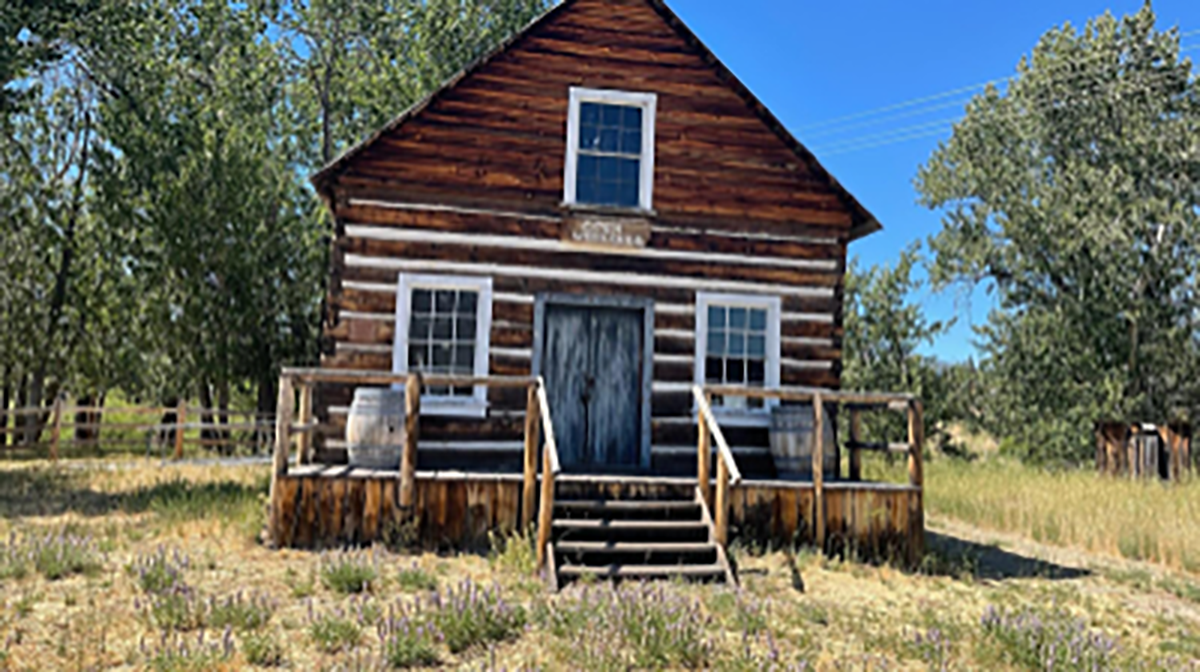
The small community of Beckwourth, California, in Plumas County, also bears his name. Nearby stands the historic Jim Beckwourth Cabin, associated with his years operating a trading post and serving travelers in Sierra Valley.
Other geographic features, including Beckwourth Peak, preserve his name in the northern Sierra Nevada landscape.
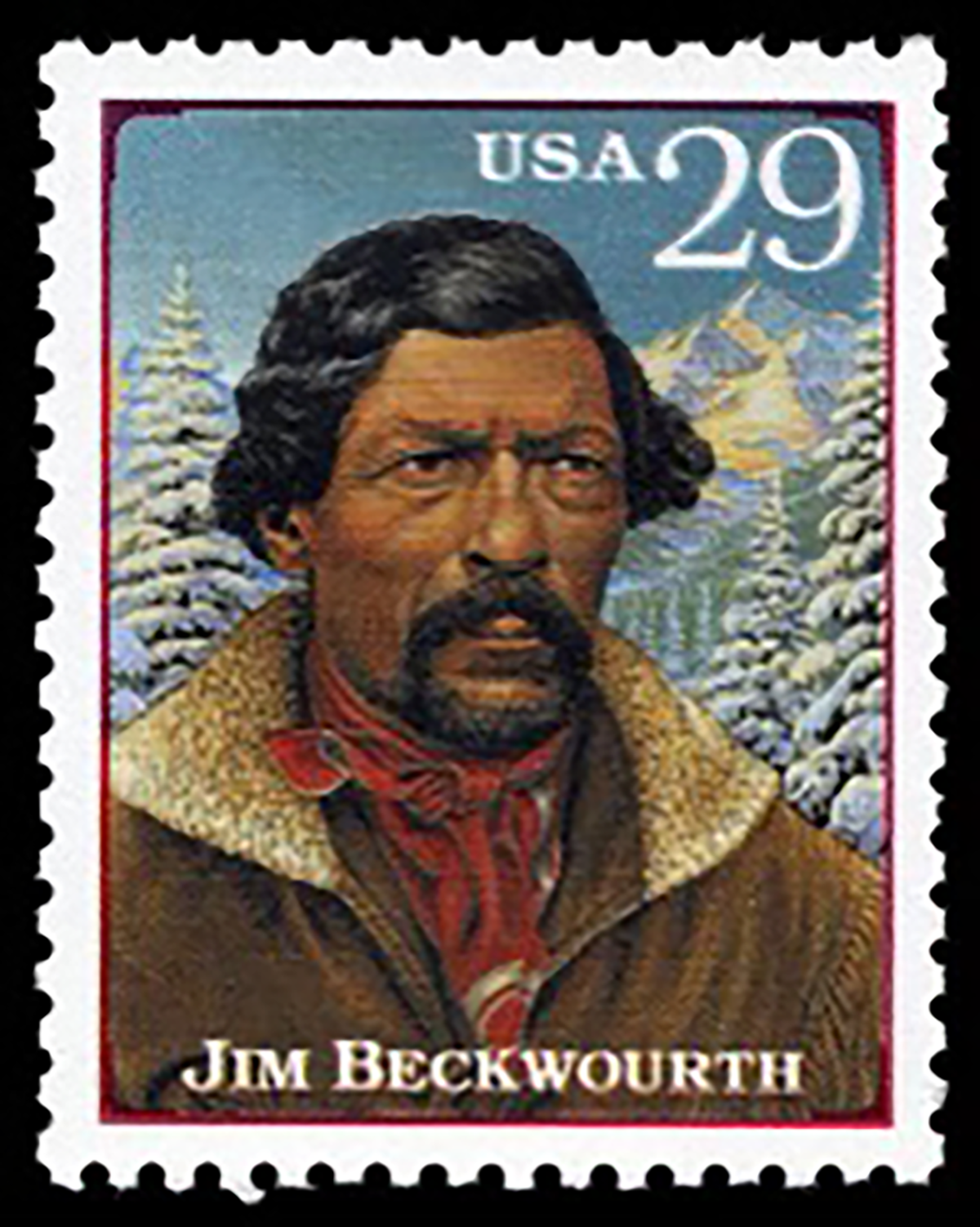
Beckwourth’s legacy also extends beyond geography. In 1994, the United States Postal Service featured him on a commemorative stamp in its Legends of the West series, recognizing his place in the nation’s historical memory.
Images
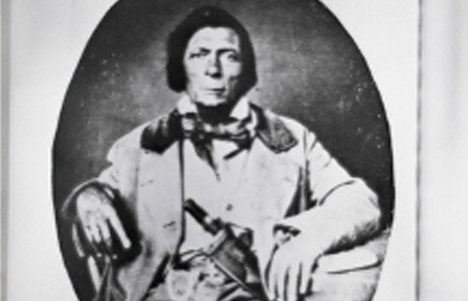
- Cover: Photographer unidentified, Photograph of James P. Beckwourth, circa 1850–1866. Elbert Edwards Photograph Collection, Special Collections and Archives, University Libraries, University of Nevada, Las Vegas.
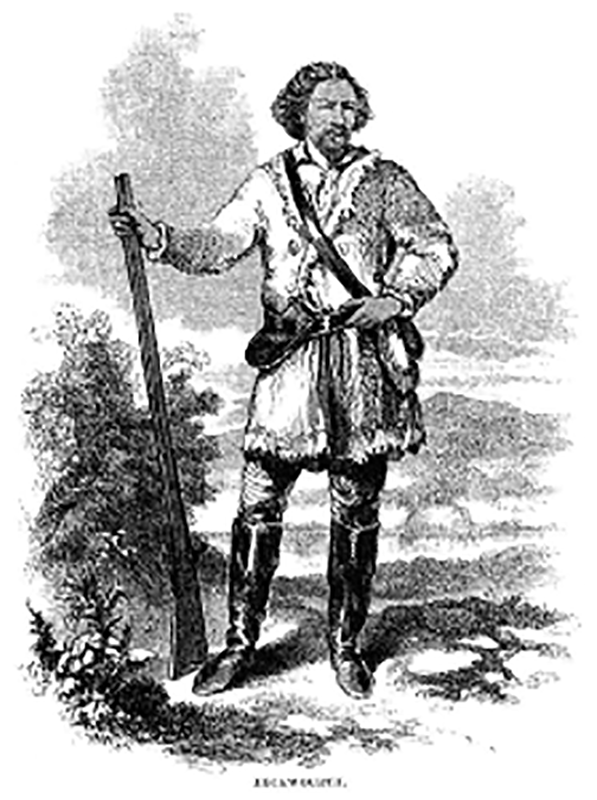
- Artist unidentified, Beckwourth as an Indian Warrior, illustration from The Life and Adventures of James P. Beckwourth, edited by Thomas D. Bonner, Harper & Brothers, 1856.
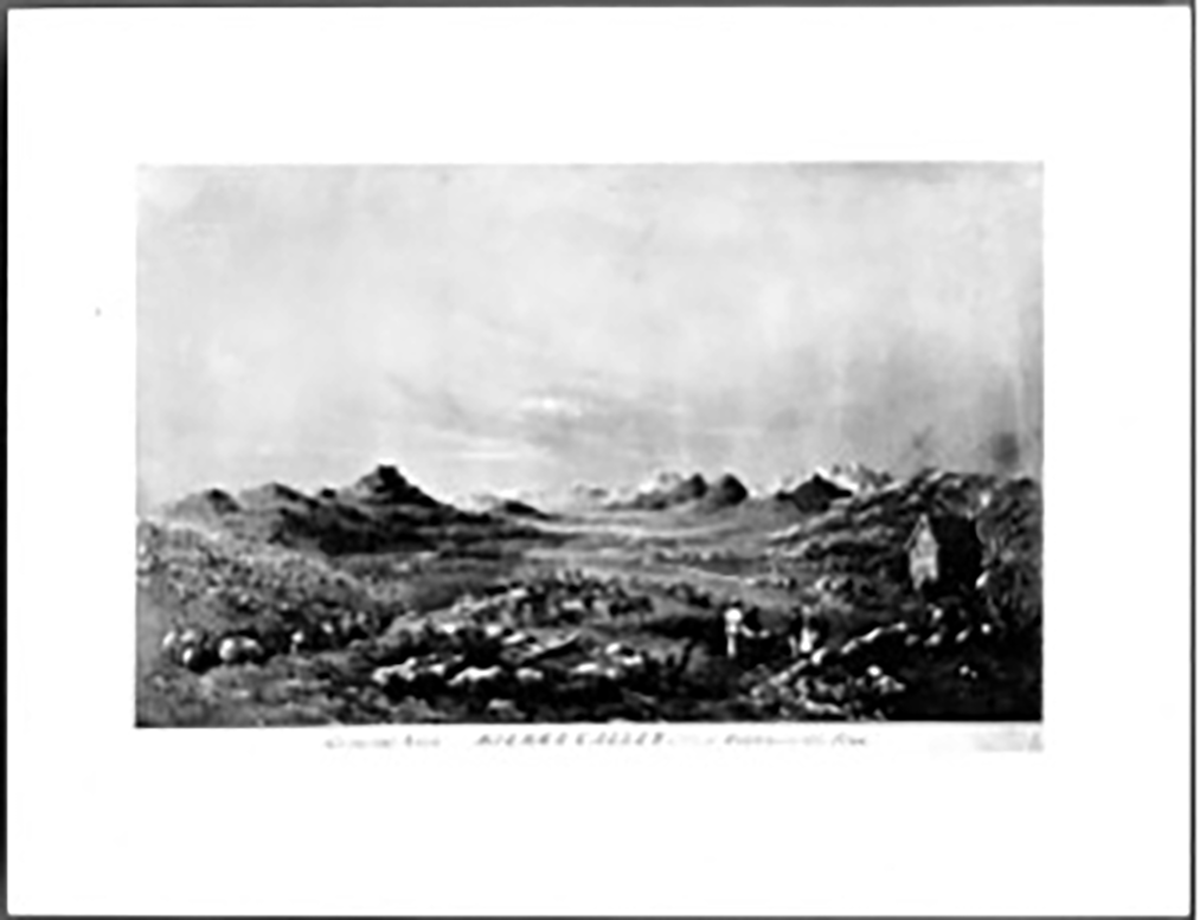
- Edward Vischer, General View of Sierra Valley from Beckwourth Pass, circa 1863. Photograph of original drawing, attributed in the catalog to C. C. Pierce. California Historical Society Collection. University of Southern California Libraries and California Historical Society.
- National Park Service, Jim Beckwourth Cabin Museum, photograph, date and photographer unspecified.
- Mark Hess, Jim Beckwourth, 29-cent Legends of the West commemorative postage stamp, issued October 18, 1994. Smithsonian National Postal Museum
Further Reading
- James P. Beckwourth and Thomas D. Bonner, The Life and Adventures of James P. Beckwourth (1856)
- National Park Service — Jim Beckwourth
- National Park Service — Jim Beckwourth Cabin Museum
- California State Parks — Beckwourth Pass Historic Landmark
- National Park Service — Sweet Freedom’s Plains: African Americans on the Overland Trails, 1841–1869
- Emigrant Trails West – Beckwourth Trail Guide