
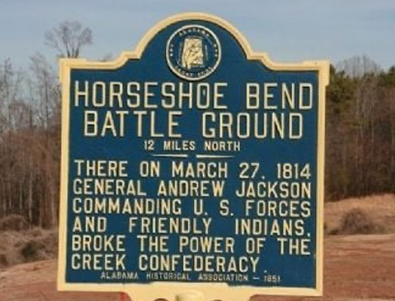
March 27, 1814: The Battle of Horseshoe Bend Spells the End of the Creek Confederacy—And the Rise of Andrew Jackson
What modern historians call the “Indian Wars” most often is understood to refer to the late 19th century wars of the Great Plains, including major events like the Battle of Little Big Horn, the...
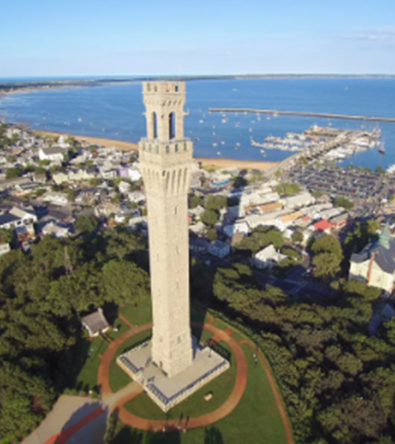
Remembering Thomas Prence, Long-Time Governor of Plymouth Colony
Pilgrim Monument, Provincetown, Massachusetts We’ve written about several leaders of Plymouth Colony, including Mayflower passengers William Bradford, William Brewster, and John Howland. Another...

Remembering William Byrd II
In the early years of the Jamestowne Colony, one of the families that became a dynasty of sorts over the course of the next century was the Byrd family. It began with the arrival of William Byrd I in...
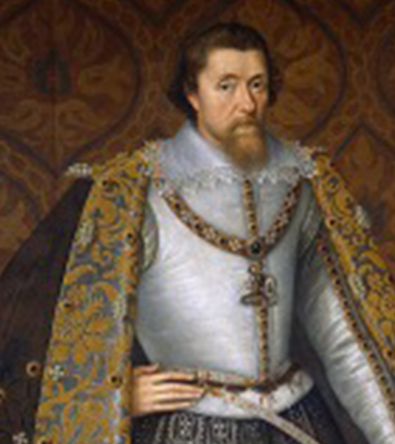
Remembering King James I
One of the most important supporters of early American colonization was King James I of England, who died this day on March 27, 1625. We honor him today for all that he did to promote the earliest...
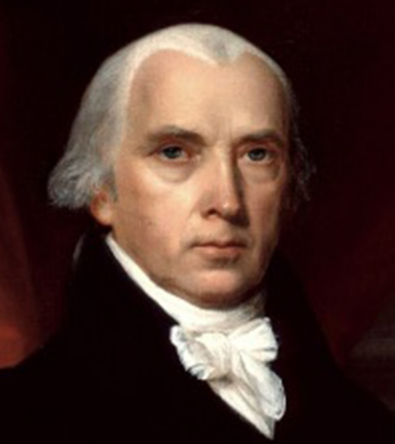
Remembering James Madison
In this year of commemorations of the 250th anniversary of the signing of the Declaration of Independence, we at AHP want to honor our Founding Fathers who established our democratic republic, and in...
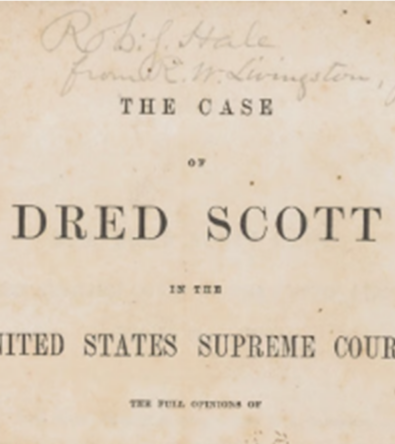
Dred Scott v. Sandford (1857): The U.S. Supreme Court Issues a Shocking Decision, and the Battles Lines Are Drawn for the Impending Civil War
We’ve written several articles about the mounting tensions between the North and South during the first half of the 19th century, much of which turned on the question of whether the newly created...
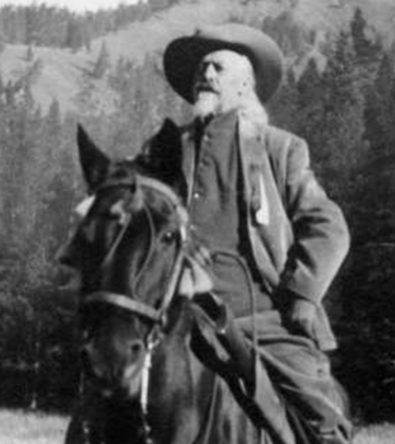
Remembering Buffalo Bill
Buffalo Bill, born William Frederick Cody on this date in 1846, was an American soldier, bison hunter, and showman who became one of the most famous figures of the American West. He earned the...
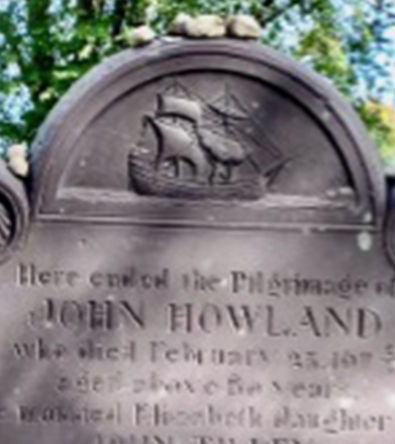
Remembering John Howland
The history of Plymouth Colony begins with the landing of the Mayflower in 1620, and ends with the Colony’s absorption into the Massachusetts Bay Colony in 1691. In between these two events,...
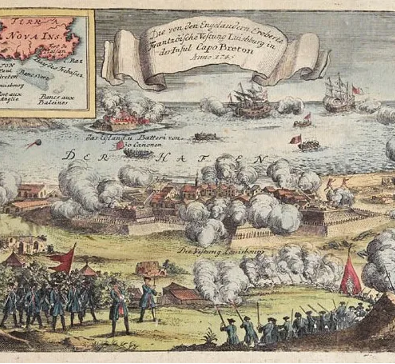
February 10, 1763: The Treaty of Paris Ends the French & Indian War—And Kicks Off the American Revolution
The Treaty of Paris and The American Revolution This year we commemorate the 250th anniversary of the signing of the Declaration of Independence. It was signed in the midst of the American...
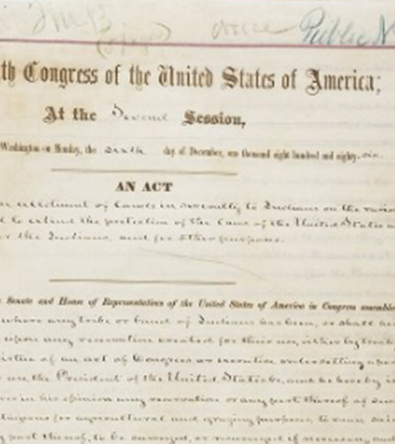
February 8, 1887: The Infamous Dawes Act Becomes Law, Targeting Native-American Reservations for Extinction
The Dawes Act We’ve written a number of stories about the slow and steady erosion of Native-American tribal lands in the 19th century due to the encroachments of white settlers—the natural...