STORIES

Visit this page regularly to read about historical events and key figures who have contributed to America's history.

No Posts Found!

Remembering Samuel Argall

Remembering Samuel Argall

The history of the Jamestowne Colony has largely receded from our national consciousness, replaced by the story of the Pilgrims, the story of the American Revolution, and so forth. This year in particular, our 250th anniversary of the signing of the Declaration of Independence will take center stage—no argument there—with
Read More »
Remembering Mary Rowlandson

Remembering Mary Rowlandson

For many Americans, the history of 17th Century New England conjures up images of hardy immigrants making their way across the ocean, taming nature, and bringing European cultural, social and religious values to the New World. A truer image would need to include disease, food shortages, religious intolerance, and—most relevant

Read More »
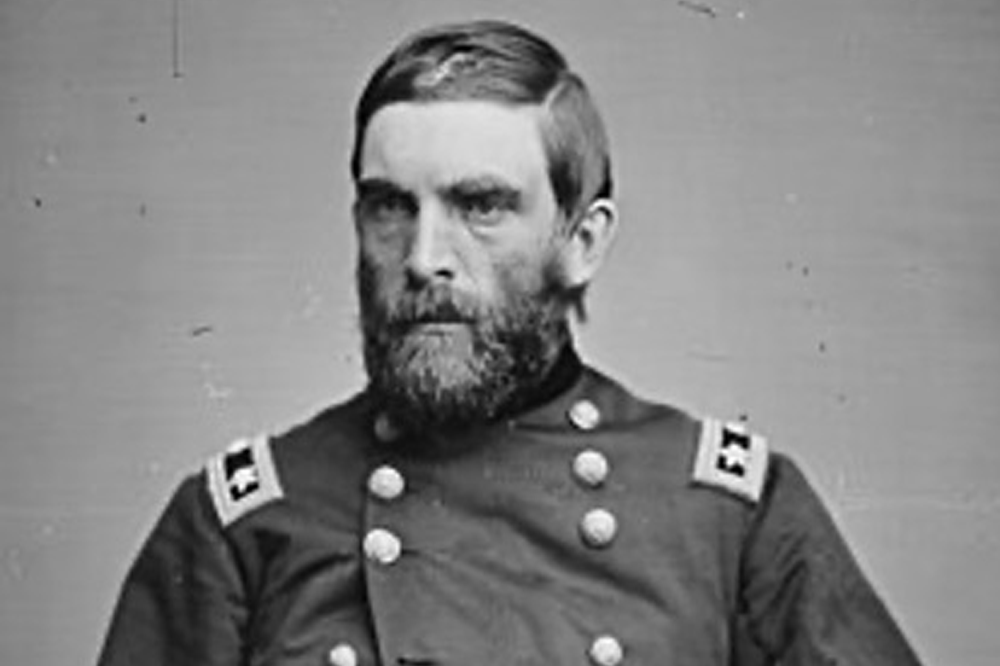
Remembering Grenville Dodge

Remembering Grenville Dodge

The American Civil War produced a long list of generals who led men into battle, and in some cases became American heroes: Ulysses S. Grant, William Tecumseh Sherman, and Philip Sheridan come to mind, all of whom we’ve written about in the past. One Major General who’s received much less

Read More »
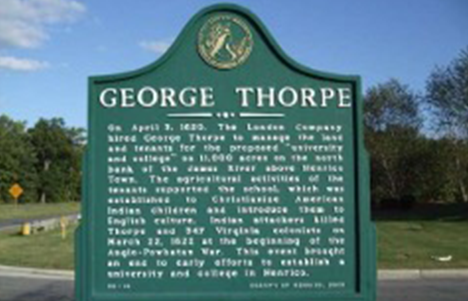
George Thorpe

Remembering George Thorpe

One of the most tragic events at the Jamestowne Colony in its early years was the Massacre of 1622, in which many settlers lost their lives. One of them was George Thorpe, who had worked tirelessly since his arrival in Virginia in 1620 to establish a college at which the

Read More »
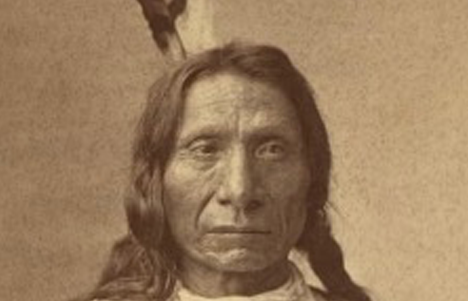
Remembering Red Cloud

Remembering Red Cloud

We’ve written before about some of the greatest Native-American warriors of the 19th century: Crazy Horse, Chief Joseph, and Quanah Parker, to name a few. Today we write about another of the great warriors of that era:  Red Cloud, who died this day on December 10, 1909. During the Indian

Read More »
Remembering Squanto

Remembering Squanto

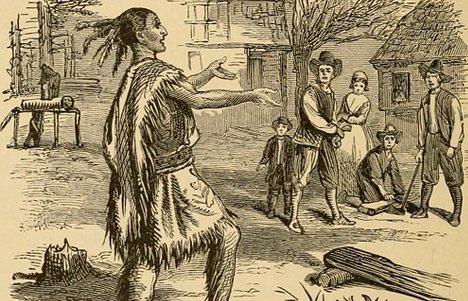
When the Pilgrims arrived at Cape Cod in the Fall of 1620, they were immediately faced with the task of starting a new colony in North America with only the barest of essentials to sustain them as winter approved. They lived at first in makeshift shelters in what Governor William

Read More »
Remembering Joseph Brant

Remembering Joseph Brant

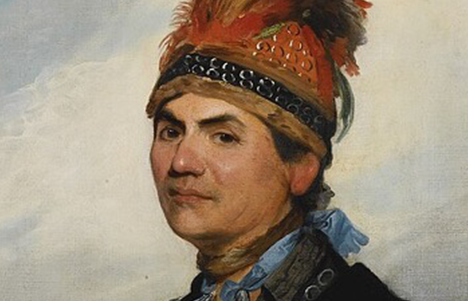
On November 24, 1807, one of the most famous Native-American warriors and political leaders of the 18th century died at the age of 64, after a life spent battling for the sovereignty of the Mohawk and Iroquois peoples, and fighting alongside the British Army against American “rebels” in the Revolutionary

Read More »
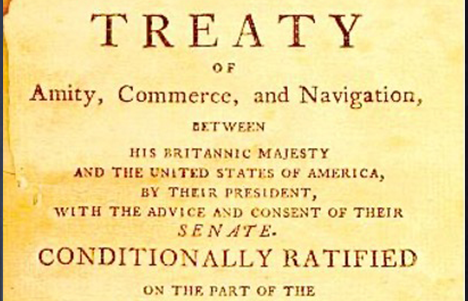
Treaty of Amity Commerce Navigation

After the Revolution

How the Jay Treaty of 1794 Unleashed a National Debate Over American Trade and Commerce with Its Former Foe, Great Britain. In the decades following the end of the American Revolution in 1783, our nation’s political leaders grappled with a wide array of domestic and international issues that would define

Read More »
Remembering Governor George Yeardley

Remembering Governor George Yeardley

In the first two decades of the 17th century, the Jamestowne Colony in Virginia was struggling. Settled in 1607, the Colony had experienced Indian attacks, famine, disease, and a host of other challenges. Yet, by 1619, the Colony was stabilizing, and with the help of its financial backers at the

Read More »
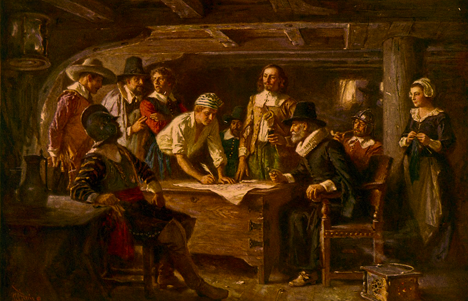
The “Mayflower Compact” Is Signed at Cape Cod, and a New Form of Government Is Established in North America

November 11, 1620: The “Mayflower Compact” Is Signed at Cape Cod, and a New Form of Government Is Established in North America

During this Thanksgiving season, we commemorate the coming together of English settlers and Native-Americans at Plymouth Colony, for what historians have dubbed “The First Thanksgiving.” This signal event brought the first Plymouth settlers and their Native-American neighbors together to feast, following a harrowing year that witnessed the deaths of half

Read More »
Trans Continental Rail Road

Transcontinental Railroad

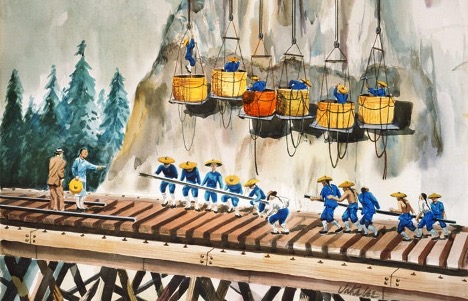
Between 1865 and 1869, over 12,000 Chinese laborers were instrumental in building the Central Pacific Railroad through the Sierra Nevada mountains. Recruited largely from southern China, these workers fled poverty and unrest, arriving in California during and after the Gold Rush. Initially met with skepticism, they soon proved indispensable, comprising

Read More »